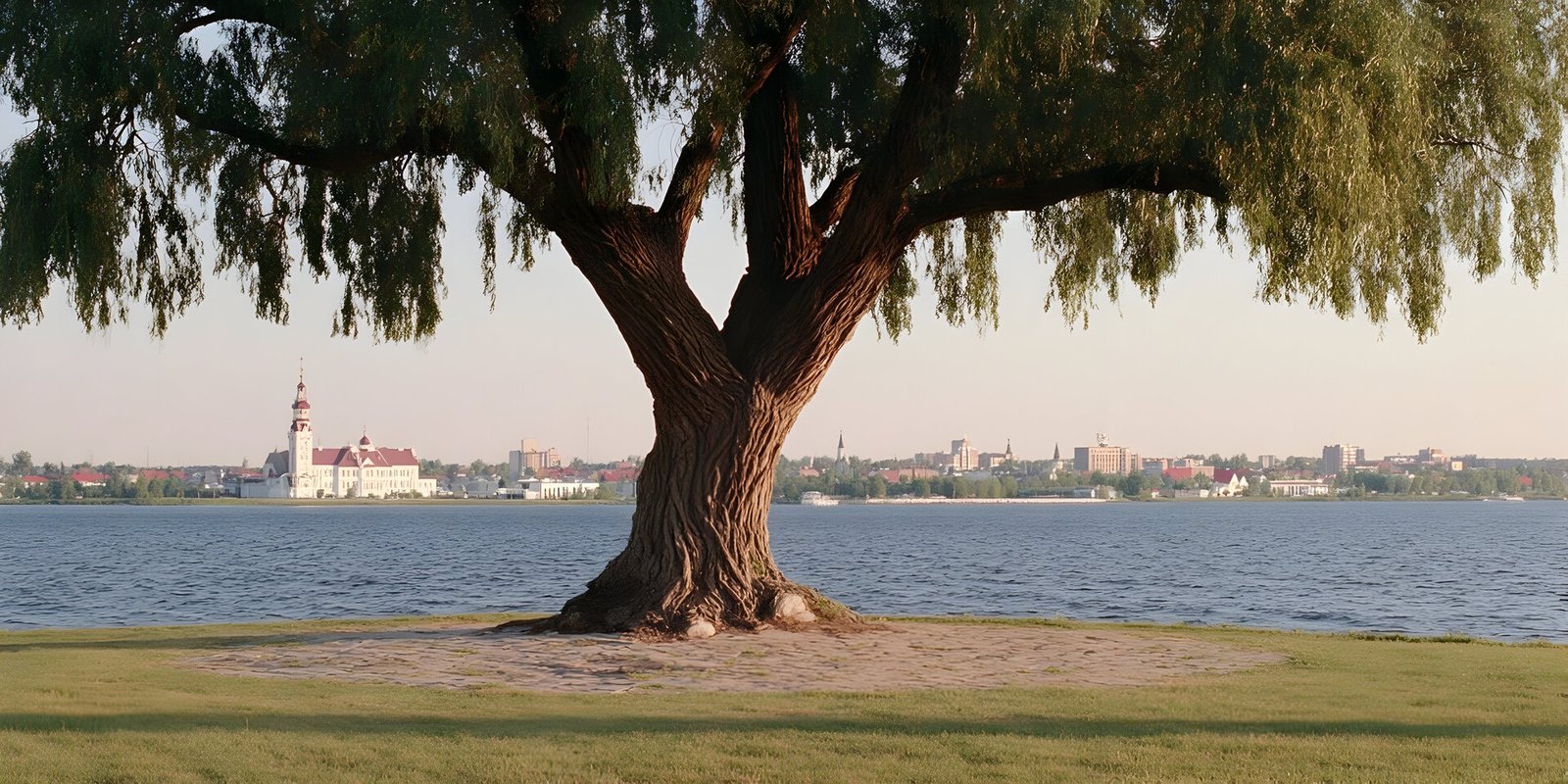
Kingston sits at the point where Lake Ontario narrows into the St. Lawrence River, in a geography that made it strategically significant enough to serve as Canada's first post-Confederation capital and to attract the kind of fortification investment that produced the largest British fortress in North America. The limestone that underlies the region provided the building material for an architectural legacy that gives Kingston a physical character unlike any other Ontario city — the historic downtown looks like it was assembled with deliberate intention over two centuries, because it largely was.
For groups traveling from Toronto, Kingston is two to two and a half hours east along the 401, which puts it at the far edge of comfortable day trip distance in a personal vehicle and very much within comfortable day trip range in a Transnet Canada charter coach where someone else is managing the highway and the group is managing the conversation.
The range of activities available in Kingston on a single day trip is wider than the city's size might suggest, because the concentration of historic institutions and the compact geography of the waterfront and downtown area means that significant experiences are within walking distance of each other.
Fort Henry National Historic Site is the most dramatic of Kingston's attractions — a massive limestone fortification on a commanding position overlooking the city, the harbour, and the head of the St. Lawrence. The fort hosts historical re-enactments with costumed soldiers performing 19th-century military drills that are genuinely engaging rather than merely educational. For school groups and history-oriented general groups, Fort Henry provides several hours of substantive content within an impressive physical setting.
The Agnes Etherington Art Centre at Queen's University holds a significant permanent collection with particular strength in Canadian and indigenous art, housed in a building that has been expanded and developed over decades into a sophisticated exhibition facility. For arts-oriented groups, the Agnes is a quality gallery experience in a setting that most Toronto visitors have never accessed.
Kingston's waterfront and Confederation Park provide the context for the thousand islands geography that begins immediately east of the city. Boat tours of the Thousand Islands depart from Kingston's downtown marina and offer access to the extraordinary archipelago of granite islands that defines this section of the St. Lawrence. A two or three-hour Thousand Islands cruise is one of Ontario's most distinctive natural tourism experiences and pairs naturally with a Kingston day trip.
The market square and downtown limestone district provides the walkable commercial and restaurant area where the day's meals, coffee, and any browsing activity happens naturally. The density of good restaurants in the Brock Street and Princess Street corridors accommodates groups without reservation difficulties at most times.
For a single day trip, the challenge is choosing between the available experiences rather than finding enough to fill the time. A morning at Fort Henry, a lunch in the market district, and a Thousand Islands cruise in the afternoon is one complete version of the day. A morning cruise on the Thousand Islands, lunch at the waterfront, and an afternoon at Fort Henry or the Agnes is another. The Agnes combined with a ghost tour of Kingston's limestone buildings — there are several operating evening ghost tours, but a daytime heritage walk through the downtown achieves similar goals without the evening timing constraint — represents the arts and heritage version of the day.
For school groups, Fort Henry's educational programming and the public history of Kingston's role in Canadian Confederation align strongly with Ontario curriculum across multiple grades. The Agnes provides art education context. And the visible archaeology of the city's built environment — the difference between the 1830s building and the 1860s building and the 1890s building is legible to students who are pointed toward it — provides geography and history education that no classroom session can replicate.
The 401 east from Toronto to Kingston runs through a landscape that is not Ontario's most scenic stretch of highway, but on a comfortable charter coach with the group together, the journey passes without the road fatigue that the same drive produces in a personal vehicle. Departing at seven-thirty or eight from Toronto arrives in Kingston by nine-thirty or ten, providing a full day before a four or four-thirty departure returns the group to Toronto by six-thirty or seven.
The Transnet Canada full-size coach with its reclining seats and washroom facilities is the appropriate vehicle for a four to five-hour round-trip driving day. Contact us with your group size and proposed visit date for a quote and availability confirmation. Kingston day trips are a year-round option — the city is engaging in every season, and the off-peak periods in fall and early spring offer the historic attractions without the summer tourist concentration.